

The Role of Home Inspectors in Florida: A Comprehensive Guide

When buying or selling a property in Florida, understanding the condition of the home is crucial. This is where the role of home inspectors becomes invaluable. Their expertise helps uncover hidden issues, ensuring that decisions are made with confidence and clarity. In this article, I will walk you through the essential aspects of home inspections in Florida, highlighting why they matter and what you can expect from a thorough evaluation.
Understanding the Role of Home Inspectors in Florida
Home inspectors in Florida play a vital role in the real estate process. Their job is to provide a detailed, unbiased assessment of a property's condition. This is especially important in Florida, where the climate and environmental factors can impact homes differently than in other states.
Florida’s humid subtropical climate means homes are often exposed to moisture, which can lead to mold, wood rot, and pest infestations. Additionally, the risk of hurricanes and flooding requires inspectors to pay close attention to structural integrity and water damage. A qualified home inspector will identify these issues early, helping buyers avoid costly repairs and sellers present their homes transparently.
By focusing on clear, documented evaluations rather than vague checklists, inspectors provide valuable insights that protect all parties involved. This detailed approach supports better negotiation and decision-making.
Why Florida’s Unique Environment Demands Specialized Inspections
Florida’s environment presents unique challenges that affect home maintenance and safety. Here are some key factors that make inspections in this state particularly important:
Humidity and Moisture: High humidity levels can cause mold growth and wood deterioration. Inspectors look for signs of water intrusion in basements, crawl spaces, and attics.
Termite and Pest Risks: Florida is known for termite activity. Inspectors check for evidence of infestations that could compromise the structure.
Hurricane Preparedness: Homes must withstand strong winds and heavy rains. Inspectors assess windows, doors, roofing, and foundation stability.
Flood Zones: Many properties are located in flood-prone areas. Inspectors evaluate drainage systems and potential water damage risks.
Understanding these factors helps inspectors provide a thorough evaluation tailored to Florida’s conditions. This knowledge is essential for protecting your investment and ensuring safety.
What will a home inspector do?
When you hire a Home Inspector, you can expect a comprehensive review of the property’s major systems and components. Here’s what typically happens during an inspection:
Exterior Examination: The inspector checks the roof, gutters, siding, windows, doors, and foundation for damage or wear.
Structural Assessment: They look for cracks, settling, or other signs of structural issues that could affect the home’s stability.
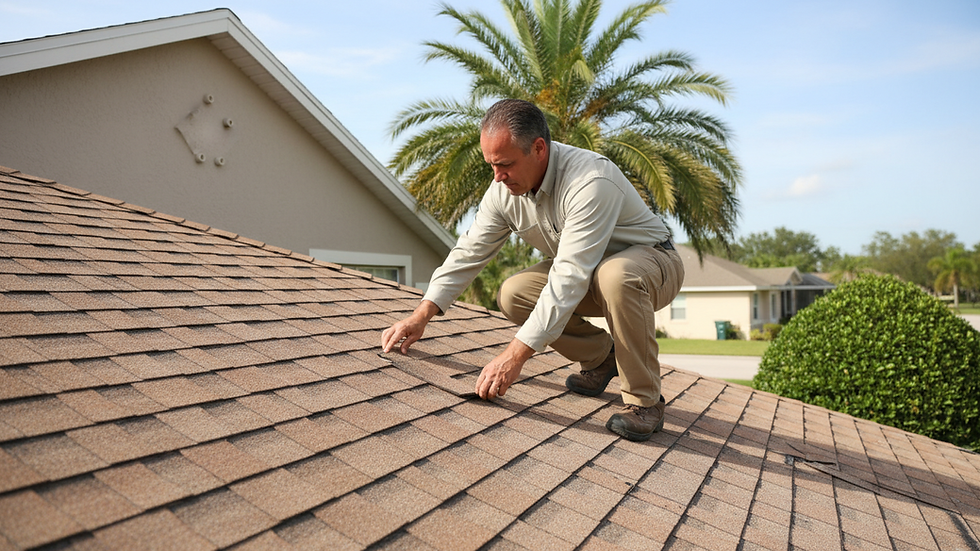
Roof Inspection: The condition of shingles, flashing, and drainage is evaluated to identify leaks or potential failures.
Plumbing System: Inspectors test water pressure, check for leaks, and assess the condition of pipes and fixtures.
Electrical System: They examine wiring, outlets, breakers, and panels to ensure safety and code compliance.
HVAC Systems: Heating, ventilation, and air conditioning units are tested for functionality and efficiency.
Interior Rooms: Walls, ceilings, floors, windows, and doors are inspected for damage, moisture, or other concerns.
Attic and Crawl Spaces: These areas are checked for insulation, ventilation, pests, and water damage.
Appliances: Built-in appliances may be tested to confirm they are operational.
The inspector will provide a detailed report with photos and descriptions of any issues found. This report serves as a valuable tool for negotiations and future maintenance planning.

How to Choose the Right Home Inspector in Florida
Selecting the right home inspector is critical to getting an accurate and useful evaluation. Here are some practical tips to help you make the best choice:
Look for Certification and Licensing: Florida requires home inspectors to be licensed. Verify credentials and certifications from reputable organizations.
Experience Matters: Choose an inspector with experience in Florida’s specific climate and building styles.
Read Reviews and Ask for References: Feedback from previous clients can provide insight into the inspector’s thoroughness and professionalism.
Request Sample Reports: Reviewing a sample inspection report can help you understand the level of detail and clarity you will receive.
Attend the Inspection: Whenever possible, be present during the inspection to ask questions and see issues firsthand.
Ask About Specialized Services: Some inspectors offer additional services like mold testing, termite inspections, or wind mitigation reports.
By following these guidelines, you can ensure that your inspection is comprehensive and tailored to your property’s needs.
The Benefits of a Detailed Home Inspection Report
A well-prepared inspection report is more than just a list of problems. It is a roadmap for understanding the home’s condition and planning for the future. Here’s why a detailed report is so valuable:
Clear Documentation: Photos and descriptions provide clear evidence of issues, reducing misunderstandings.
Negotiation Power: Buyers and sellers can use the report to negotiate repairs or price adjustments.
Maintenance Planning: Identifying minor issues early helps prevent costly repairs later.
Peace of Mind: Knowing the home’s condition helps reduce stress and uncertainty.
Compliance and Safety: Ensures the property meets safety standards and local codes.
A thorough report from a trusted inspector supports informed decisions and protects your investment.
Preparing for Your Home Inspection in Florida
To get the most out of your home inspection, some preparation is helpful. Here are practical steps to take before the inspector arrives:
Clear Access: Ensure all areas, including attics, crawl spaces, and electrical panels, are accessible.
Turn On Utilities: Make sure water, electricity, and HVAC systems are operational.
Provide Documentation: Share any previous inspection reports, repair records, or permits.
List Questions: Prepare a list of concerns or specific areas you want the inspector to focus on.
Be Present: Plan to attend the inspection to observe and ask questions.
These steps help the inspection proceed smoothly and maximize the value of the evaluation.
Understanding Common Florida Home Inspection Findings
Certain issues frequently appear in Florida home inspections due to the state’s environment and building practices. Being aware of these can help you anticipate potential concerns:
Roof Damage: Missing shingles, leaks, or improper flashing are common due to storms and sun exposure.
Moisture Problems: Mold, mildew, and water stains often appear in basements, attics, and around windows.
Termite Damage: Evidence of termite activity or damage to wood structures is a frequent finding.
Electrical Issues: Outdated wiring or overloaded circuits can pose safety risks.
HVAC Wear: Systems may show signs of wear or inefficiency due to heavy use in Florida’s climate.
Foundation Cracks: Settling or shifting soil can cause cracks or uneven floors.
Knowing these common issues helps you understand the inspection report and plan for repairs or maintenance.
Moving Forward with Confidence
A home inspection is a critical step in the property buying or selling process. It provides clarity, reduces risk, and supports informed decisions. By understanding the role of home inspectors in Florida and what to expect, you can approach your real estate transaction with confidence.
Whether you are purchasing your first home, managing investment properties, or preparing to sell, a detailed inspection report is an essential tool. It helps you protect your investment and ensures the property is safe and sound.
Taking the time to choose a qualified inspector and preparing for the inspection will maximize the benefits of this important service. Remember, a thorough evaluation today can save you time, money, and stress tomorrow.


Comments