

Seller's Guide to Preparing for a Home Inspection: Seller Inspection Preparation
- Tracy Dorics
- Feb 25
- 4 min read

Selling a home is a significant milestone, and one of the most critical steps in the process is the home inspection. As a seller, understanding how to prepare for a home inspection can make a substantial difference in the outcome. A well-prepared home inspection can lead to smoother negotiations, fewer surprises, and a faster closing. In this guide, I will walk you through practical steps to get your property ready, what inspectors look for, and how to present your home in the best possible light.
Understanding Seller Inspection Preparation
Preparing your home for an inspection is not about hiding issues but about presenting your property transparently and responsibly. The goal is to ensure the inspector can access all areas easily and that your home is safe and well-maintained. Here are some key areas to focus on:
Clean and declutter: A tidy home allows inspectors to move freely and examine areas without obstruction.
Check major systems: Ensure your HVAC, plumbing, and electrical systems are functioning properly.
Repair minor issues: Fix leaky faucets, squeaky doors, or cracked windows to avoid unnecessary red flags.
Provide documentation: Have records of recent repairs, maintenance, or upgrades ready for the inspector.
By addressing these points, you demonstrate that you care about your property and respect the buyer’s due diligence process.

Key Steps in Seller Inspection Preparation
To make the inspection process as smooth as possible, follow these detailed steps:
Ensure easy access to all areas
Inspectors need to check the attic, basement, crawl spaces, electrical panels, and water heaters. Clear any obstacles and unlock gates or doors that might restrict access.
Test all utilities
Turn on all faucets, flush toilets, test light switches, and run appliances. This helps confirm everything is operational and prevents delays during the inspection.
Address safety concerns
Replace missing or broken handrails, repair loose steps, and ensure smoke and carbon monoxide detectors are working. Safety issues can be deal-breakers or negotiation points.
Check the exterior
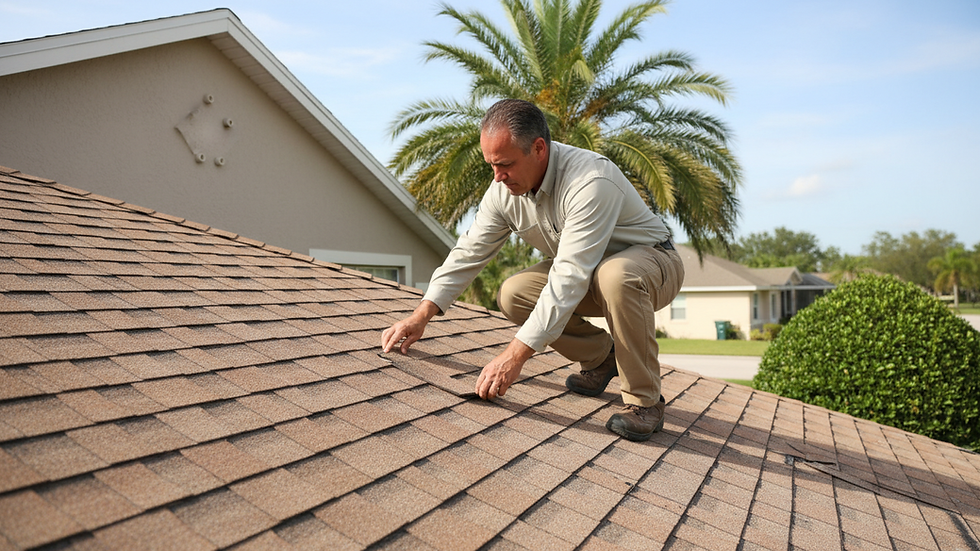
Trim overgrown bushes, clean gutters, and inspect the roof for missing shingles or damage. Exterior maintenance reflects well on the overall condition of the home.
Prepare for the unexpected
Sometimes inspectors find issues that require immediate attention. Having a trusted contractor or handyman on call can help you respond quickly and keep the sale on track.
By following these steps, you reduce the risk of surprises and build confidence with potential buyers.
What is the first thing an inspector wants to see?
The initial impression matters. When an inspector arrives, the first thing they want to see is a well-maintained and accessible home. This means:
Clear pathways to the front door and around the property.
Unlocked doors and gates.
A clean, clutter-free environment that allows easy movement.
Inspectors often start with the exterior, checking the foundation, siding, and roofline. If these areas are accessible and in good condition, it sets a positive tone for the rest of the inspection.
Inside, inspectors typically begin with the main living areas and then move to mechanical systems. Having utilities on and systems ready to be tested right away helps the process move efficiently.

Common Issues Sellers Should Address Before Inspection
While no home is perfect, some issues frequently cause concern during inspections. Addressing these beforehand can save time and money:
Roof problems: Missing shingles, leaks, or damaged flashing.
Plumbing leaks: Dripping faucets, running toilets, or corroded pipes.
Electrical hazards: Exposed wiring, non-functional outlets, or outdated panels.
HVAC maintenance: Dirty filters, unusual noises, or inconsistent heating/cooling.
Foundation cracks: Visible cracks or signs of water intrusion in the basement or crawl space.
Pest damage: Evidence of termites, rodents, or other pests.
If you discover any of these issues, consider professional repairs or at least disclose them upfront. Transparency builds trust and can prevent renegotiations later.
How to Present Your Home During the Inspection
Your attitude and preparation during the inspection can influence the outcome. Here are some tips to keep in mind:
Be cooperative and available: Allow the inspector to do their job without interference but be ready to answer questions.
Provide documentation: Share maintenance records, warranties, or permits for recent work.
Highlight upgrades: Point out energy-efficient windows, new appliances, or recent renovations.
Avoid emotional reactions: Stay calm if issues are found; remember, inspections are about facts, not judgments.
Follow up promptly: If repairs are requested, respond quickly and professionally.
By being prepared and professional, you help create a positive experience for everyone involved.
For a detailed walkthrough on how to prepare for a home inspection as a seller, you can visit Southern Evaluations’ expert guide.
Final Thoughts on Seller Inspection Preparation
Preparing for a home inspection is a crucial step in the selling process. It requires attention to detail, honesty, and proactive maintenance. By following the steps outlined here, you can minimize surprises, build buyer confidence, and facilitate a smoother transaction.
Remember, inspections are not about passing or failing but about providing a clear, documented evaluation of your property’s condition. This transparency benefits both sellers and buyers and helps maintain the integrity of the real estate market.
Taking the time to prepare your home thoroughly reflects your commitment to a fair and successful sale. It also positions you as a knowledgeable and responsible seller, which can be a significant advantage in Northeast Florida’s competitive real estate environment.


Comments