

The Essentials of a 4-Point Home Inspection - 4-Point Inspection Overview

When it comes to buying or selling a home, understanding the condition of the property is crucial. A 4-point home inspection is a focused evaluation that highlights the most critical systems of a house. This inspection is especially important for older homes or properties in regions like Northeast Florida, where weather and age can impact structural integrity and safety. In this post, I will walk you through the essentials of a 4-point home inspection, explaining what it covers, why it matters, and what to watch out for.
4-Point Inspection Overview
A 4-point home inspection concentrates on four key areas of a property: the roof, electrical system, plumbing, and HVAC (heating, ventilation, and air conditioning). Unlike a full home inspection, which covers every aspect of a house, the 4-point inspection is designed to provide a quick yet thorough snapshot of these critical components.
This type of inspection is often required by insurance companies before issuing or renewing a homeowner’s policy, especially for homes over 30 years old. The goal is to identify any major issues that could pose risks or lead to costly repairs.
Here’s a breakdown of the four points:
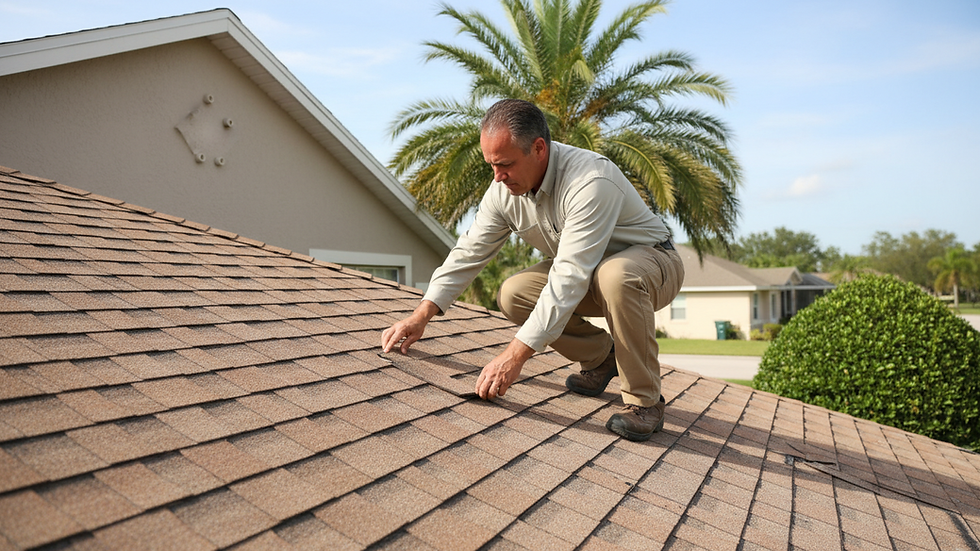
Roof: Inspecting the condition, age, and any signs of leaks or damage.
Electrical System: Checking wiring, panels, outlets, and overall safety.
Plumbing: Evaluating pipes, fixtures, water heaters, and potential leaks.
HVAC: Assessing heating and cooling systems for functionality and safety.
Each of these areas is critical to the safety and functionality of a home. Problems in any one of them can lead to significant expenses or hazards.

Why a 4-Point Inspection Matters
In Northeast Florida, homes face unique challenges such as humidity, hurricanes, and salt air corrosion. These factors can accelerate wear and tear on a property’s systems. A 4-point inspection helps identify vulnerabilities before they become emergencies.
For example, a roof damaged by storms may have hidden leaks that could cause mold or structural damage. Electrical systems that are outdated or improperly installed can be fire hazards. Plumbing issues might lead to water damage or inefficient water use. HVAC systems that are not functioning properly can increase energy costs and reduce comfort.
By focusing on these four areas, the inspection provides a clear, documented evaluation that insurance companies and buyers can rely on. It also helps homeowners prioritize repairs and maintenance, saving money and stress in the long run.
If you want to learn more about the specifics, you can check out this detailed explanation of what is a 4 point home inspection.
What is the Biggest Red Flag in a Home Inspection?
While every home is different, certain issues stand out as major red flags during a 4-point inspection. Among these, the condition of the roof often tops the list. A roof that is near the end of its lifespan, has multiple leaks, or shows signs of structural damage can be a deal-breaker.
Why? Because roof repairs or replacements are expensive and can lead to secondary problems like water intrusion, mold growth, and damage to the interior of the home. Insurance companies may refuse coverage or charge higher premiums if the roof is in poor condition.
Electrical problems are another significant concern. Outdated wiring, such as knob-and-tube or aluminum wiring, can pose serious fire risks. Faulty panels or overloaded circuits also increase danger. These issues require immediate attention and can affect the insurability of the home.
Plumbing leaks, especially hidden ones, can cause water damage and mold, which are costly to remediate. HVAC systems that are not functioning properly can lead to uncomfortable living conditions and higher utility bills.
In summary, the biggest red flags are those that impact safety and structural integrity, with the roof and electrical system being the most critical.
How to Prepare for a 4-Point Inspection
Preparation can make the inspection process smoother and more effective. Here are some practical steps to take before the inspector arrives:
Gather Documentation: Have records of any recent repairs or upgrades to the roof, electrical system, plumbing, or HVAC ready. This information can help the inspector understand the history and condition of these systems.
Clear Access Areas: Ensure that the inspector can easily access the attic, electrical panel, water heater, and HVAC units. Remove any obstacles or clutter that might block these areas.
Check for Visible Issues: Look for obvious signs of damage such as missing shingles, water stains, exposed wiring, or leaks. Addressing minor issues beforehand can improve the inspection outcome.
Schedule at a Convenient Time: Choose a time when you or your agent can be present to ask questions and receive immediate feedback.
By being proactive, you demonstrate responsibility and can better understand the findings of the inspection.
What Happens After the Inspection?
Once the 4-point inspection is complete, you will receive a detailed report outlining the condition of each system. This report typically includes:
A summary of findings
Photographs of any issues
Recommendations for repairs or further evaluation
An overall assessment of the home’s insurability
If problems are identified, it’s important to address them promptly. Some repairs may be simple fixes, while others might require professional contractors. In some cases, a full home inspection or specialized inspections (like a roof certification or electrical safety audit) may be recommended.
For buyers, the report can be a valuable negotiation tool. For sellers, it provides transparency and helps set realistic expectations.
Understanding the report and taking action can protect your investment and ensure the safety and comfort of the home.
Final Thoughts on 4-Point Home Inspections
A 4-point home inspection is a focused, practical evaluation that highlights the most important systems in a home. It is especially relevant for older properties and those in regions like Northeast Florida, where environmental factors can accelerate wear.
By concentrating on the roof, electrical system, plumbing, and HVAC, this inspection provides clear, documented insights that help homeowners, buyers, and insurers make informed decisions. Knowing what to expect and how to prepare can make the process straightforward and beneficial.
If you want a reliable, detail-driven inspection that goes beyond vague checklists, a 4-point inspection is an essential step. It helps identify risks early, prioritize repairs, and maintain the value and safety of your property.
Taking this step shows a commitment to responsible homeownership and smart investment. Whether you are buying, selling, or maintaining a home, understanding the essentials of a 4-point home inspection is a wise choice.


Comments