

Understanding 4-Point Home Inspections in Florida - 4-Point Inspection Overview

When it comes to owning or purchasing a home in Florida, understanding the condition of the property is crucial. One of the most important evaluations you might encounter is the 4-point home inspection. This inspection focuses on four critical components of a home, providing a clear snapshot of its overall condition. It is especially relevant for older homes or those seeking insurance coverage. In this article, I will walk you through the essentials of a 4-point inspection, why it matters in Florida, and what you can expect from the process.
4-Point Inspection Overview: What It Covers and Why It Matters
A 4-point home inspection is a focused evaluation that looks at four key areas of a property:
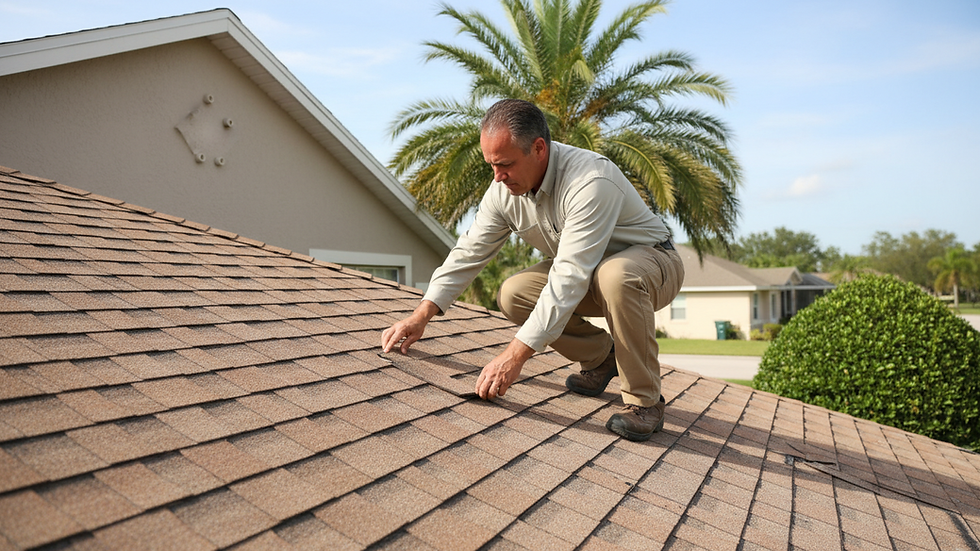
Roofing: Condition, age, and any visible damage or leaks.
Electrical System: Wiring, panels, and outlets to ensure safety and code compliance.
Plumbing: Pipes, fixtures, water heaters, and potential leaks or corrosion.
HVAC (Heating, Ventilation, and Air Conditioning): Functionality and condition of heating and cooling systems.
This inspection is not as comprehensive as a full home inspection but is designed to identify major issues that could affect insurance eligibility or pose safety risks. In Florida, where weather conditions like hurricanes and humidity can accelerate wear and tear, these four areas are especially critical.
The 4-point inspection helps insurance companies assess risk and decide whether to provide coverage or require repairs first. For homeowners and buyers, it offers a practical way to understand the home's condition without the time and expense of a full inspection.

Why Florida Homeowners Should Prioritize 4-Point Inspections
Florida’s unique climate and building styles make the 4-point inspection particularly valuable. Here are some reasons why:
Age of Homes: Many homes in Florida are older and may have outdated electrical or plumbing systems.
Weather Impact: Hurricanes, heavy rains, and humidity can cause roof damage, mold, and corrosion.
Insurance Requirements: Many insurance companies require a 4-point inspection before issuing or renewing policies.
Preventive Maintenance: Identifying issues early can save money and prevent emergencies.
For example, a roof that looks fine from the ground might have hidden damage or leaks that only a professional can spot. Similarly, outdated electrical panels can be a fire hazard but are often overlooked without a focused inspection.
Understanding these factors helps homeowners and buyers make informed decisions. It also positions you to negotiate repairs or price adjustments if needed.

What is the average cost of a 4 point inspection in Florida?
The cost of a 4-point home inspection in Florida typically ranges between $100 and $300, depending on several factors:
Location: Prices may vary slightly between urban and rural areas.
Home Size and Age: Larger or older homes might require more time and expertise.
Inspector’s Experience: Certified and highly experienced inspectors may charge more.
Additional Services: Some companies offer bundled inspections or detailed reports for an extra fee.
While this might seem like an added expense, the cost is relatively low compared to the potential savings from avoiding insurance denials or costly repairs down the line. It’s a practical investment in understanding the home’s condition and protecting your financial interests.
How to Prepare for a 4-Point Home Inspection in Florida
Preparation can make the inspection process smoother and more effective. Here are some practical tips:
Gather Documentation: Have any previous inspection reports, repair records, or warranties ready.
Clear Access: Ensure the inspector can easily access the roof, electrical panel, plumbing areas, and HVAC units.
List Concerns: Note any specific issues you’ve noticed, such as leaks, flickering lights, or strange noises.
Be Present: If possible, attend the inspection to ask questions and get immediate feedback.
Schedule Wisely: Avoid scheduling during extreme weather or when the HVAC system is off.
By being proactive, you help the inspector do a thorough job and gain a better understanding of the home’s condition.
What Happens After the 4-Point Inspection?
Once the inspection is complete, you will receive a detailed report outlining the condition of each of the four components. This report typically includes:
Photographs: Visual evidence of any issues or areas inspected.
Descriptions: Clear explanations of findings, including any defects or concerns.
Recommendations: Suggested repairs or maintenance actions.
Insurance Notes: Information relevant to insurance underwriting.
If problems are found, you may need to arrange repairs before securing insurance or selling the property. In some cases, minor issues can be addressed quickly, while others might require professional contractors.
It’s important to review the report carefully and consult with your insurance agent or real estate professional to understand the implications.
Final Thoughts on 4-Point Home Inspections in Florida
A 4-point home inspection is a focused, practical tool that provides valuable insight into a home’s condition. It is especially important in Florida due to the state’s climate and insurance requirements. Whether you are buying, selling, or maintaining a property, understanding the results of this inspection can help you make informed decisions and protect your investment.
If you want to learn more about what is a 4 point home inspection, I encourage you to explore trusted local resources and consult with certified inspectors who understand Florida’s unique challenges.
Taking this step ensures you have a clear, documented evaluation of your property’s most critical systems - not just a vague checklist. This clarity is essential for peace of mind and long-term property value.
This article aims to provide clear, practical information about 4-point home inspections in Florida, helping you navigate this important aspect of property ownership with confidence.


Comments