

Seller Home Inspection Readiness: How Sellers Can Prepare for Home Inspections

Selling a home is a significant milestone, and one of the most critical steps in the process is the home inspection. As a seller, understanding how to prepare for a home inspection can make a substantial difference in the outcome. A well-prepared home inspection can lead to smoother negotiations, fewer surprises, and a faster closing. In this article, I will share practical, clear, and professional advice on how sellers can get ready for this important event.
Understanding Seller Home Inspection Readiness
Preparation is key when it comes to home inspections. The goal is to present your property in the best possible condition while being transparent about any issues. This readiness not only builds trust with potential buyers but also helps avoid last-minute repair demands or renegotiations.
Here are some essential steps to ensure your home is inspection-ready:
Clean and declutter: A tidy home allows inspectors to access all areas easily and shows that the property has been well cared for.
Check major systems: Ensure heating, cooling, plumbing, and electrical systems are functioning properly.
Fix minor repairs: Address leaky faucets, broken tiles, or loose handrails to prevent them from becoming negotiation points.
Provide documentation: Gather warranties, repair receipts, and manuals for appliances and systems.
Ensure access: Make sure the inspector can easily access the attic, crawl spaces, electrical panels, and water shut-off valves.
By taking these steps, you demonstrate responsibility and reduce the risk of surprises during the inspection.

Key Areas to Focus on for Seller Home Inspection Readiness
Certain parts of your home are scrutinized more closely during an inspection. Paying special attention to these areas can improve your inspection results:
Roof and Gutters
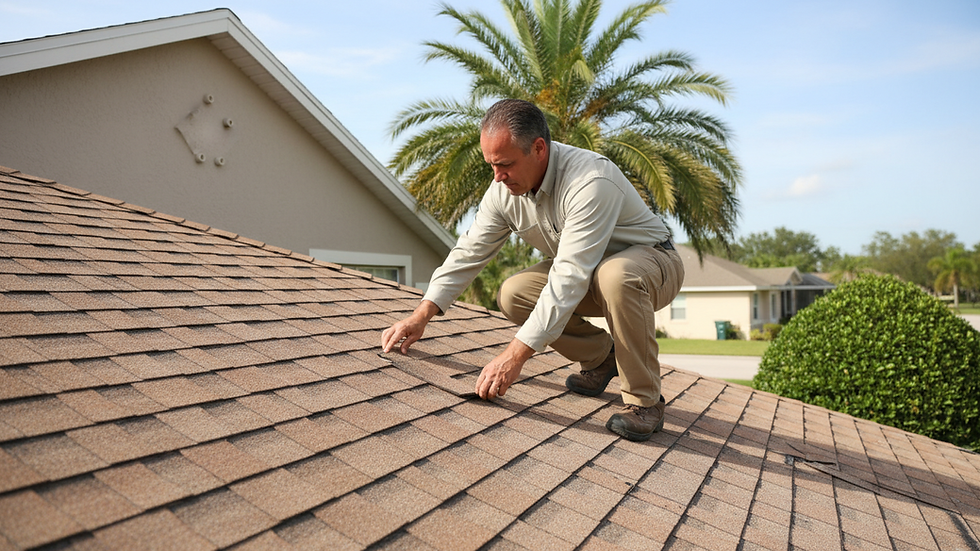
Inspect the roof for missing or damaged shingles and clean out gutters to prevent water damage. If you notice any issues, consider professional repairs before the inspection.
Plumbing
Check for leaks under sinks, around toilets, and near water heaters. Ensure all faucets and toilets work correctly and that water pressure is adequate.
Electrical System
Test all outlets, switches, and light fixtures. Replace any burnt-out bulbs and ensure the electrical panel is labeled and accessible.
HVAC System
Change filters and schedule maintenance if needed. Confirm that heating and cooling units operate efficiently.
Structural Elements
Look for cracks in walls, ceilings, and foundations. Small cosmetic cracks are usually not a concern, but larger or growing cracks should be evaluated by a professional.
Safety Features
Verify that smoke detectors and carbon monoxide alarms are installed and functional. Check that handrails and guardrails are secure.
Taking care of these areas shows buyers and inspectors that the home has been maintained with care.
What is the biggest red flag in a home inspection?
One of the most significant red flags during a home inspection is water damage and moisture issues. Water intrusion can lead to mold, structural damage, and costly repairs. Inspectors pay close attention to signs such as:
Stains on ceilings or walls
Musty odors
Soft or warped wood
Mold growth in basements, crawl spaces, or attics
If you have experienced leaks or flooding in the past, it is crucial to disclose this information and provide documentation of repairs. Addressing moisture problems before the inspection can prevent buyers from walking away or demanding steep price reductions.
Other major red flags include faulty electrical wiring, foundation problems, and outdated or unsafe HVAC systems. Being proactive about these issues can save time and money.

Practical Tips for How to Prepare for a Home Inspection as a Seller
Knowing the theory is one thing, but putting it into practice is where many sellers struggle. Here are actionable recommendations to help you prepare effectively:
Conduct a pre-inspection: Hire a qualified home inspector to evaluate your property before listing. This gives you a chance to fix problems early.
Make necessary repairs: Prioritize repairs that affect safety and functionality. Cosmetic fixes can wait unless they impact the inspection.
Improve curb appeal: First impressions matter. Mow the lawn, trim bushes, and clean walkways.
Organize utility information: Have recent utility bills and service records ready to show the home’s efficiency and maintenance history.
Clear access points: Remove obstacles from basements, attics, and crawl spaces so the inspector can perform a thorough evaluation.
Be transparent: Prepare a disclosure statement detailing any known issues or past repairs. Honesty builds trust and reduces surprises.
Plan to be away during the inspection: Give the inspector space to work and avoid influencing their findings.
By following these steps, you position yourself for a successful inspection and a smoother sale.
After the Inspection: What Sellers Should Expect and Do Next
Once the inspection is complete, you will receive a detailed report outlining the findings. Here’s how to handle the results professionally:
Review the report carefully: Understand the issues and their severity.
Consult with your real estate agent: Discuss which repairs to address and how to respond to buyer requests.
Negotiate repairs or credits: You may agree to fix certain items or offer a credit to the buyer for repairs.
Keep communication open: Respond promptly and professionally to buyer concerns.
Prepare for a possible re-inspection: If repairs are made, the buyer may request a follow-up inspection.
Remember, the goal is to maintain transparency and cooperation to keep the sale on track.
Final Thoughts on Seller Home Inspection Readiness
Preparing for a home inspection is a vital part of the selling process. By taking a proactive and organized approach, you can minimize surprises and build confidence with buyers. Remember to focus on key systems, address red flags like water damage, and maintain clear communication throughout.
If you want to learn more about how to prepare for a home inspection as a seller, this resource offers detailed guidance tailored to sellers in Northeast Florida.
With the right preparation, your home inspection can be a positive step toward a successful sale.


Comments